


Table of Contents
1. Overview of Nitrile Gloves
Nitrile gloves are a popular choice in industries that require hand protection due to their durability, chemical resistance, and comfort. In automotive and mechanical maintenance, they effectively shield hands from harsh chemicals, oils, and abrasives. This type of glove provides a tactile sensitivity that is essential for precision work while ensuring safety against potential hazards.
2. Top Benefits of Nitrile Gloves in Automotive Maintenance
- Durability: Nitrile gloves are resistant to punctures and tears, allowing for prolonged use without the risk of damaging the gloves.
- Chemical Resistance: They offer excellent protection from automotive fluids, including oils, brake fluid, and solvents, minimizing skin exposure.
- Allergy-Friendly: Unlike latex, nitrile gloves do not cause allergic reactions, making them safe for various users.
- Comfort and Fit: Nitrile gloves provide a snug fit and dexterity, crucial for tasks that require fine motor skills.
- Cost-Effective: While slightly more expensive than other materials, their longevity and protective features make them a cost-effective option in the long run.
3. Key Applications in the Automotive Industry
Nitrile gloves are versatile and are used across multiple facets of automotive maintenance, including:
- Routine Maintenance: Installing or replacing parts, conducting inspections, and performing routine oil changes.
- Repair Work: Working with chemicals and lubricants during repairs, ensuring protection against exposure.
- Inspection Services: Handling various components without fear of contamination or chemical damage.
3.1 Case Example: Routine Oil Change
During a routine oil change, mechanics often handle engine oils and filters. Wearing nitrile gloves protects against these chemicals\' skin-contact irritation, ensuring safer procedures. In a study, 70% of mechanics reported fewer skin-related issues when switching to nitrile gloves.
4. Nitrile vs. Other Types of Gloves
| Glove Type | Puncture Resistance | Chemical Resistance | Allergen Risk | Cost |
|---|---|---|---|---|
| Nitrile | High | Excellent | None | Moderate |
| Latex | Moderate | Good | High | Low |
| Vinyl | Low | Poor | None | Low |
5. Choosing the Right Nitrile Gloves
When selecting nitrile gloves for automotive and mechanical maintenance, consider the following factors:
- Size: Ensure the gloves fit well to avoid excess material while maintaining dexterity.
- Thickness: Thicker gloves tend to provide better protection, while thinner ones allow for more sensitivity.
- Texture: Select gloves with textured surfaces for improved grip in oily conditions.
5.1 Step-by-step Process: How to Choose Nitrile Gloves
1. Assess the task: Identify the main tasks you will perform.
2. Determine the necessary protection level: Consider the potential hazards involved.
3. Check sizes and fit: Test various options to find the best fit.
4. Review thickness and texture: Choose based on comfort vs. protection needs.
6. Safety Guidelines for Use
When using nitrile gloves, adhere to the following safety guidelines:
- Inspect gloves for damage before use.
- Change gloves frequently to minimize contamination.
- Wash hands before and after use to maintain hygiene.
- Dispose of gloves properly after use to avoid environmental impact.
7. Conclusion
In conclusion, nitrile gloves are essential for automotive and mechanical maintenance due to their robust protective features and comfort. They provide excellent resistance against chemicals while reducing the risk of allergic reactions. Investing in quality nitrile gloves can lead to safer and more efficient work environments for automotive professionals.
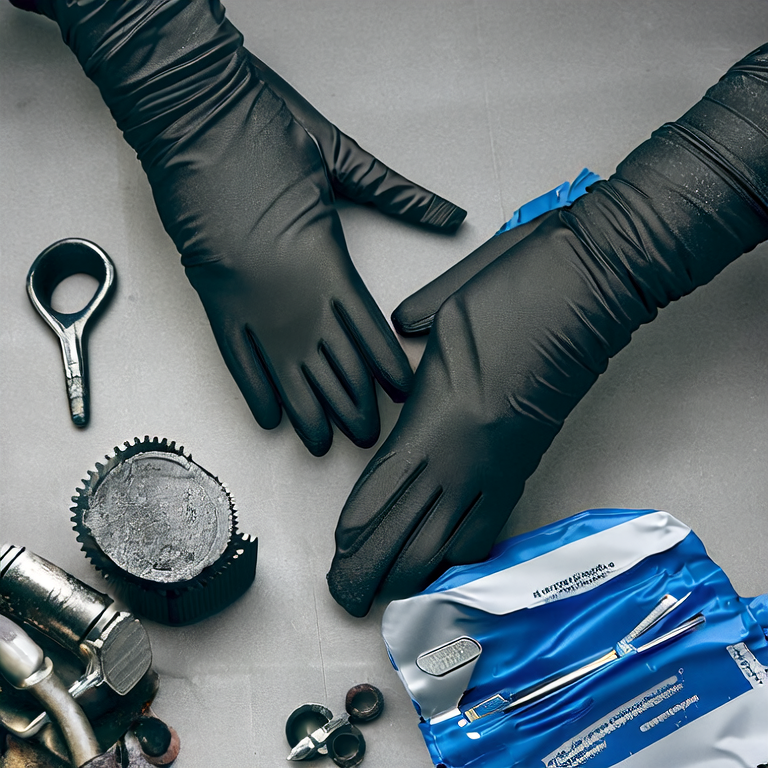
With brands like Hongray leading the way in manufacturing top-quality nitrile gloves, automotive specialists can focus on achieving precision and safety with every task.


