
HOT PRODUCTS


In the world of personal protective equipment (PPE), powder-free nitrile gloves have surged in popularity due to their superior quality and safety features. Understanding the manufacturing process of these gloves is vital for buyers and distributors seeking reliable options. By examining the production stages, we aim to provide clarity on powder-free nitrile gloves, their formulation against latex allergies, and the overall significance of their user-friendliness. In this article, we will cover the manufacturing process step-by-step while addressing concerns such as contamination and quality assurance.
Powder-free nitrile gloves are synthetic gloves made from nitrile rubber, a material that offers greater tear resistance compared to latex. These gloves are designed to prevent allergic reactions associated with latex proteins. The absence of powder, which is often used for easy donning, eliminates the risk of contamination, making them suitable for sensitive environments such as medical settings.
The advantages of powder-free nitrile gloves are numerous. Here is a list of notable benefits:
The manufacturing of powder-free nitrile gloves involves several systematic stages. Here is an overview of the complete manufacturing process:
The first step is to prepare nitrile compound materials, which include a variety of chemical additives. These materials are mixed to enhance elasticity, durability, and performance.
The mixed compound is then coated onto hand-shaped molds (former). The molds are submerged into the nitrile solution, forming a thin layer that takes the shape of a glove.
Next, the gloves are cured in ovens to solidify their structure, ensuring they maintain their shape for usage.
Before proceeding, each batch undergoes rigorous testing for durability, puncture resistance, and potential defects.
The gloves are washed to remove any contaminants. This process is crucial to ensuring they are ready for use in medical or safety environments.
Finally, the gloves are packaged in sterile conditions and labeled for distribution.
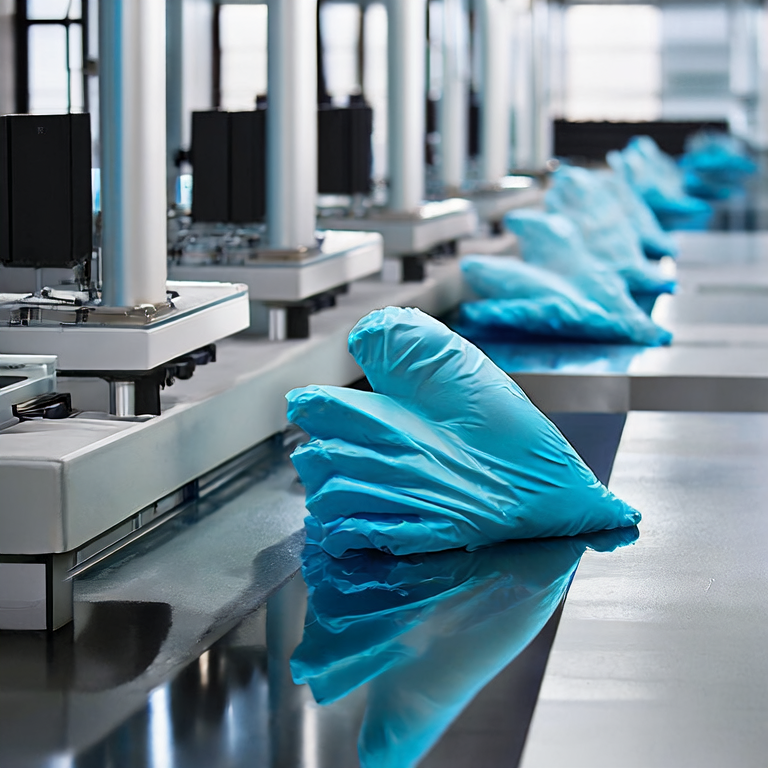
Below is a flowchart illustrating the manufacturing process for powder-free nitrile gloves. This visual representation outlines each key step:
Maintaining high standards in the manufacturing process is essential. Quality control measures include:
Powder-free nitrile gloves represent a significant advancement in PPE, offering durability and safety over traditional options. Understanding their manufacturing process enhances buyer confidence and aids distributors in making informed decisions. With ongoing quality control measures and advancements in materials, companies like Hongray continue to set industry standards delivering reliable protective equipment worldwide.


