
HOT PRODUCTS


Puncture resistance standards for industrial nitrile gloves are vital for ensuring worker safety. Many industries, such as healthcare and manufacturing, require high-performance gloves to protect against sharp objects. It is crucial to select gloves that meet specific standards to avoid injuries. Understanding these standards can help businesses make informed purchasing decisions. Nitrile gloves offer excellent chemical resistance and durability, making them a popular choice.
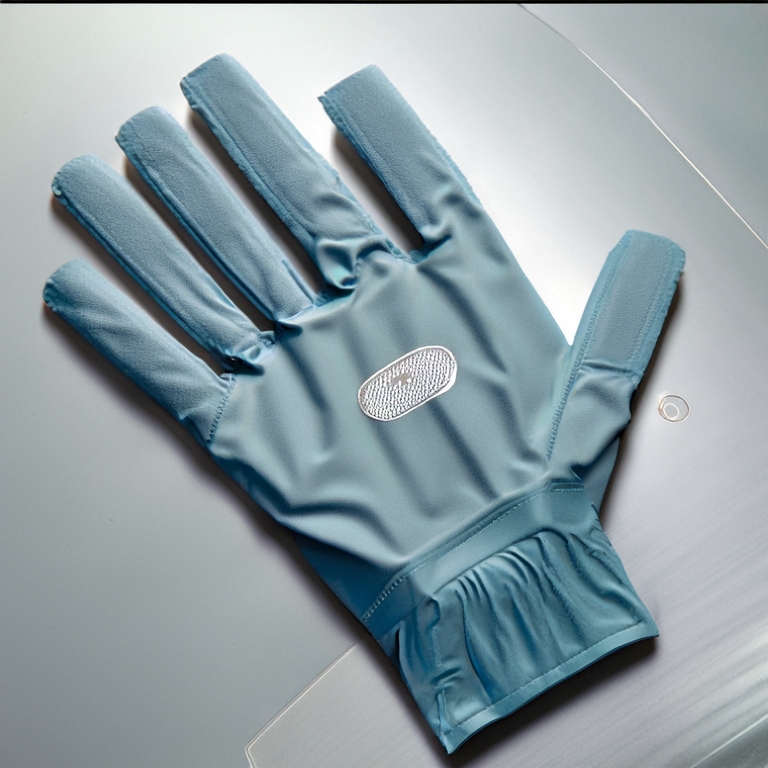
Puncture resistance standards for industrial nitrile gloves determine the level of protection they provide against sharp objects. Higher ratings indicate better protection.
The ASTM F1342 is the standard test method for measuring puncture resistance. This test uses a specified puncture probe to assess how much force is needed to penetrate the glove material.
Industries like food processing, healthcare, and automotive have unique needs. Each requires gloves that meet specific puncture resistance levels to ensure worker safety and protect products.
| Feature | Nitrile Gloves | Latex Gloves | Vinyl Gloves |
|---|---|---|---|
| Puncture Resistance | High | Moderate | Low |
| Chemical Resistance | Excellent | Poor | Fair |
| Allergen Free | Yes | Not Always | Yes |
To ensure the best protection, always inspect gloves for damages before use. Proper training on how to wear and dispose of the gloves correctly is also essential.
Puncture resistance standards for industrial nitrile gloves are crucial for maintaining safety in various environments. Understanding the ratings and selecting the right gloves enhances worker protection significantly.
The highest rating is often 5, indicating strong resistance to punctures.
Yes, nitrile gloves are FDA-approved for food handling and provide good protection.
Measure the width of your hand and refer to the manufacturer\'s size chart.
Nitrile gloves are typically designed for single use but can be reused if they are undamaged.
Common applications include medical use, cleaning, and industrial work.


